
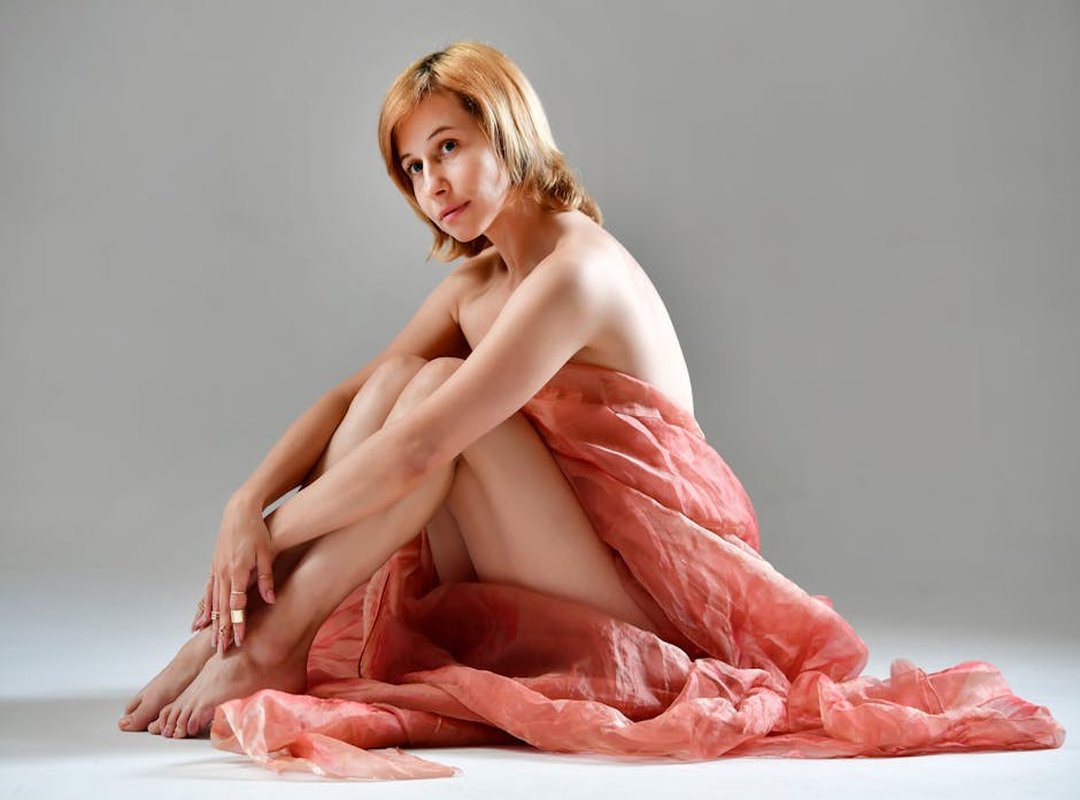
What makes a photograph more than just a snapshot? You might be thinking, is it the subject, the composition, or the lighting? It’s all of that and more.
Enter zolotova nudes. This artist’s work isn’t just about capturing moments; it’s about creating art that speaks to the soul.
Zolotova’s style is dreamlike, with an emotional depth that draws you in. The way they use light is nothing short of masterful. It’s not just about taking a picture; it’s about telling a story.
In this article, we’ll dive deep into Zolotova’s techniques, themes, and the profound impact of their unique vision. We’ll go beyond the surface to uncover why these images resonate so deeply with viewers.
So, let’s get started.
The Zolotova Aesthetic: A Signature Blend of Surrealism and Soul
The Zolotova aesthetic is a visual feast, blending soft focus with muted or monochromatic color palettes. It’s like the photographer decided to give everything a gentle hug.
Dramatic light and shadow, or chiaroscuro, add depth and mystery. Imagine a spotlight on a lone figure in a dimly lit room—spooky, right?
Compositionally, it’s all about breaking the rules. Unconventional framing, strategic use of negative space, and subject placement that creates emotional tension. It’s like the subjects are in a silent conversation with the viewer.
Take a photo of a woman standing alone in a vast, empty field. The sky is a uniform gray, and she’s slightly off-center. The negative space around her feels almost palpable, like you can reach out and touch the loneliness.
Or consider a close-up of zolotova nudes. The soft focus blurs the edges, making the skin look almost ethereal. The muted colors and dramatic lighting make the scene feel both intimate and otherworldly.
These photos evoke a powerful emotional spectrum. Nostalgia, melancholy, intimacy, and profound solitude. You might find yourself feeling a bit wistful, like you’re looking at a memory from a past life.
In another example, a solitary figure sits by a window, bathed in the soft, golden light of a setting sun. The rest of the room is in shadow, creating a stark contrast. The scene feels both real and dreamlike, as if you’ve stumbled into someone’s private moment.
The Zolotova aesthetic is a deliberate fusion of technical precision and raw, emotional storytelling. It’s not just about taking a pretty picture; it’s about capturing a feeling, a mood, a slice of life that resonates deep within.
Deconstructing the Craft: Key Themes and Techniques
Zolotova’s portfolio is a rich tapestry of recurring themes. Identity, memory, the human-nature connection, and the passage of time are at the heart of her work. These themes aren’t just abstract concepts; they’re deeply woven into every photograph.
Long exposures, intentional camera movement (ICM), and double exposures are some of the techniques Zolotova uses. These methods create a dreamlike quality, blurring the lines between reality and imagination. Post-processing styles also play a crucial role, adding a final layer of emotion and depth.
The human subject in Zolotova’s work is never just a model. It’s about capturing authentic emotion and vulnerability. The models are directed to convey real feelings, not just sterile poses.
This approach makes the images more relatable and impactful.
Locations and environments are active characters in Zolotova’s photographs. They contribute significantly to the mood and story. A barren landscape can evoke a sense of isolation, while a lush forest might symbolize growth and renewal.
Visual metaphors are another key element. Everyday objects or settings are imbued with deeper symbolic meaning. A broken mirror might represent shattered memories, while an open window could symbolize new beginnings.
Gear matters, but it’s not the focus. Zolotova uses prime lenses, film, and digital cameras. The tools serve the artistic vision, not the other way around.
Whether it’s zolotova nudes or landscapes, the gear is there to enhance the narrative, not to be the star.
Understanding these elements can help you appreciate the complexity and depth of Zolotova’s work. If you want to dive deeper into the technical and creative aspects, check out Excntech for more insights.
The Ripple Effect: Zolotova’s Influence on Contemporary Art
Zolotova’s distinct style has sparked a new wave of fine art, portrait, and even editorial photographers. It’s not just about the visuals; it’s about the emotion and storytelling.
Pictorialism and modern Surrealism have their own unique qualities. But Zolotova’s work stands out with its raw, emotive, and often dreamlike quality.
Zolotova nudes are a prime example. They blend vulnerability and strength in a way that feels both intimate and powerful.
This aesthetic has found a natural home in high-fashion magazines, album art, and boutique branding campaigns. It’s all about creating a mood and telling a story.
On visually-driven platforms like Instagram and Pinterest, Zolotova’s style has built a strong niche. People are drawn to the personal and emotive nature of the images.
But there’s a fine line between inspiration and imitation. Some critics argue that too many photographers are copying the style without adding their own twist.
That’s a valid concern. Authenticity is key. If you’re inspired by Zolotova, find a way to make it your own.
The true influence of Zolotova’s style is in encouraging photographers to develop a more personal, emotive, and story-driven approach. Don’t just mimic; create something that resonates with your own experiences and vision.
So, if you’re looking to explore this style, start by understanding the core elements. Focus on the emotional narrative and the visual storytelling. And always, always, add your unique touch.
Capturing the Unseen: Why Zolotova’s Photography Endures
Zolotova artistic photography is not just a style, but a profound method of interpreting and conveying the human experience. Her unique aesthetic, deep thematic resonance, and innovative techniques set her work apart.
The enduring power of these images lies in their ability to capture intangible emotions. They forge a genuine connection with the viewer.
Consider zolotova nudes as an example. These works are a testament to her skill in revealing the unseen.
Look for the deeper stories and emotions within art. Whether you are a creator or an admirer, there is always more to discover.
 There is a specific skill involved in explaining something clearly — one that is completely separate from actually knowing the subject. Christopher Braggshover has both. They has spent years working with innovation alerts in a hands-on capacity, and an equal amount of time figuring out how to translate that experience into writing that people with different backgrounds can actually absorb and use.
Christopher tends to approach complex subjects — Innovation Alerts, Essential Tech Strategies, Device Troubleshooting Solutions being good examples — by starting with what the reader already knows, then building outward from there rather than dropping them in the deep end. It sounds like a small thing. In practice it makes a significant difference in whether someone finishes the article or abandons it halfway through. They is also good at knowing when to stop — a surprisingly underrated skill. Some writers bury useful information under so many caveats and qualifications that the point disappears. Christopher knows where the point is and gets there without too many detours.
The practical effect of all this is that people who read Christopher's work tend to come away actually capable of doing something with it. Not just vaguely informed — actually capable. For a writer working in innovation alerts, that is probably the best possible outcome, and it's the standard Christopher holds they's own work to.
There is a specific skill involved in explaining something clearly — one that is completely separate from actually knowing the subject. Christopher Braggshover has both. They has spent years working with innovation alerts in a hands-on capacity, and an equal amount of time figuring out how to translate that experience into writing that people with different backgrounds can actually absorb and use.
Christopher tends to approach complex subjects — Innovation Alerts, Essential Tech Strategies, Device Troubleshooting Solutions being good examples — by starting with what the reader already knows, then building outward from there rather than dropping them in the deep end. It sounds like a small thing. In practice it makes a significant difference in whether someone finishes the article or abandons it halfway through. They is also good at knowing when to stop — a surprisingly underrated skill. Some writers bury useful information under so many caveats and qualifications that the point disappears. Christopher knows where the point is and gets there without too many detours.
The practical effect of all this is that people who read Christopher's work tend to come away actually capable of doing something with it. Not just vaguely informed — actually capable. For a writer working in innovation alerts, that is probably the best possible outcome, and it's the standard Christopher holds they's own work to.