
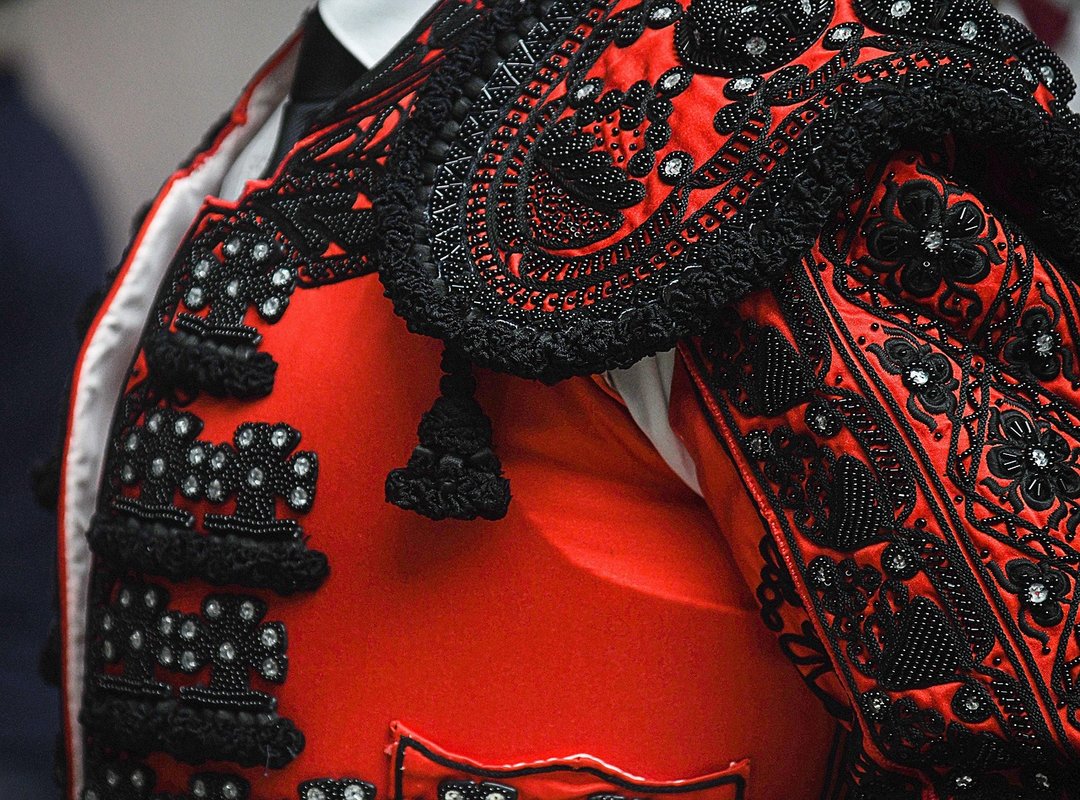
What happens when sacred purity meets the violent spectacle of the bullring? The torera virgen isn’t just a literal term; it’s a concept that goes deep into cultural and symbolic meanings. This article aims to explore the historical roots, rich symbolism, and modern interpretations of this compelling and controversial figure.
By the end, you’ll understand why this archetype has captivated artists, writers, and the public for generations. Let’s dive into the unique intersection of tradition, gender roles, and the psychology of spectacle.
The Historical Arena: How Women Entered the World of Bullfighting
Bullfighting, or corrida de toros, has long been a cornerstone of Spanish and Latin American culture. It’s a spectacle that combines art, tradition, and raw courage.
The sport has always been hyper-masculine. For centuries, it was seen as a test of manhood, strength, and bravery. Women were not welcome in the ring.
They faced significant barriers, both cultural and legal, when trying to enter this male-dominated arena.
The concept of the virgen (virgin) is deeply rooted in traditional Hispanic societies. It connects to themes of purity, honor, and sacrifice. These values were, and still are, highly regarded in many communities.
When women started to step into the ring, they became torera virgen. This figure was both revered and seen as a transgression of social norms. They embodied the purity and honor of the virgen while also challenging the traditional roles expected of them.
Pioneering female bullfighters like Juanita Cruz and Conchita Cintrón defied these expectations. They showed that women could be just as skilled and brave as their male counterparts. Their presence in the ring marked a significant shift in the perception of the sport.
| Name | Contribution |
|---|---|
| Juanita Cruz | One of the first women to fight in major arenas, breaking gender barriers. |
| Conchita Cintrón | Known for her daring and skill, she became a symbol of female empowerment in the sport. |
These women didn’t just change the game; they redefined it. Their legacy continues to inspire and challenge the status quo.
Decoding the Symbolism: Courage, Purity, and Defiance
The ‘torera virgen’ archetype is a fascinating blend of perceived feminine innocence and the raw, masculine courage needed in bullfighting. This duality challenges traditional gender roles, showing a woman who takes power in a traditionally male arena without losing her identity.
Think of the ‘torera virgen’ like a modern-day Joan of Arc or a warrior goddess. She embodies both purity and strength, making her a symbol of defiance and empowerment.
Ritual sacrifice is a key theme here. The bullfighter’s life is on the line, turning the performance into a near-sacred ceremony. It’s not just a sport; it’s a profound act that commands respect and awe.
The audience’s perception is crucial. They see a figure that evokes a mix of protectiveness, awe, and fascination. This complexity makes the ‘torera virgen’ a powerful and memorable symbol.
If you’re interested in exploring this further, I recommend diving into the history of female bullfighters and their cultural impact. Look for documentaries and books that delve into the lives of these women. You’ll gain a deeper understanding of how they’ve shaped and challenged societal norms.
How the ‘Torera Virgen’ Was Portrayed in Art and Literature

When you think of a torera virgen, what comes to mind? Maybe a strong, pure, and rebellious female bullfighter. But let’s be real, this archetype is more than just a stereotype. torera virgen
Take Hemingway’s The Sun Also Rises. The character of Brett Ashley embodies the torera virgen with her independence and defiance. She’s not just a passive observer; she’s an active participant in her own life, even if it means breaking societal norms.
In the film Blood and Sand, Rita Hayworth plays a female bullfighter. The director uses intense, close-up shots to highlight her determination and the danger she faces. It’s not just about the fight; it’s about the internal struggle and the purity of her intentions.
Spanish painters like Goya have depicted female bullfighters with a mix of admiration and caution. Goya’s use of dark, dramatic lighting and bold colors underscores the duality of their roles: both revered and feared. Modern artists continue this tradition, often using stark contrasts to symbolize the torera virgen‘s strength and vulnerability.
These cultural portrayals have solidified the torera virgen as a symbol of purity, danger, and rebellion. But here’s the twist: they also challenge the idea that women must fit into narrow, traditional roles. Instead, they show that women can be complex, multifaceted, and powerful in their own right.
Modern Perspectives and the Evolution of a Legend
In the 21st century, the concept of bullfighting is viewed through a very different lens. Values around gender and animal welfare have shifted dramatically.
Bullfighting itself is a hot topic in the animal rights community. Many argue it’s cruel and outdated. This modern perspective casts a shadow over the entire tradition, including the role of the matador.
Is the torera virgen an empowering symbol or a relic of the past? It’s a tough question. Some see it as a powerful image of female strength, breaking into a male-dominated field.
Others argue it reinforces old ideas about purity and value.
Contemporary female matadors are changing the game. They focus on skill and athleticism, not the old-world symbolism. The ‘virgin’ aspect feels less relevant now.
It’s more about celebrating these women as skilled and powerful athletes.
Do we need to hold onto that old label? I don’t think so. The focus should be on their talent and the barriers they break.
An Enduring Symbol in a Changing World
The torera virgen is far more than a job title; it’s a complex cultural archetype loaded with meaning. This figure embodies a powerful collision of tradition and rebellion, purity and peril, and masculine and feminine worlds. Symbols like the torera virgen can lose their literal meaning over time.
Yet, they retain their power as metaphors for courage and defiance. Understanding this unique archetype offers a fascinating glimpse into the cultural values and tensions of the societies that created it.
 Victoria Brooksilivans is the kind of writer who genuinely cannot publish something without checking it twice. Maybe three times. They came to insider knowledge through years of hands-on work rather than theory, which means the things they writes about — Insider Knowledge, EXCN Advanced Computing Protocols, AI and Machine Learning Ideas, among other areas — are things they has actually tested, questioned, and revised opinions on more than once.
That shows in the work. Victoria's pieces tend to go a level deeper than most. Not in a way that becomes unreadable, but in a way that makes you realize you'd been missing something important. They has a habit of finding the detail that everybody else glosses over and making it the center of the story — which sounds simple, but takes a rare combination of curiosity and patience to pull off consistently. The writing never feels rushed. It feels like someone who sat with the subject long enough to actually understand it.
Outside of specific topics, what Victoria cares about most is whether the reader walks away with something useful. Not impressed. Not entertained. Useful. That's a harder bar to clear than it sounds, and they clears it more often than not — which is why readers tend to remember Victoria's articles long after they've forgotten the headline.
Victoria Brooksilivans is the kind of writer who genuinely cannot publish something without checking it twice. Maybe three times. They came to insider knowledge through years of hands-on work rather than theory, which means the things they writes about — Insider Knowledge, EXCN Advanced Computing Protocols, AI and Machine Learning Ideas, among other areas — are things they has actually tested, questioned, and revised opinions on more than once.
That shows in the work. Victoria's pieces tend to go a level deeper than most. Not in a way that becomes unreadable, but in a way that makes you realize you'd been missing something important. They has a habit of finding the detail that everybody else glosses over and making it the center of the story — which sounds simple, but takes a rare combination of curiosity and patience to pull off consistently. The writing never feels rushed. It feels like someone who sat with the subject long enough to actually understand it.
Outside of specific topics, what Victoria cares about most is whether the reader walks away with something useful. Not impressed. Not entertained. Useful. That's a harder bar to clear than it sounds, and they clears it more often than not — which is why readers tend to remember Victoria's articles long after they've forgotten the headline.