
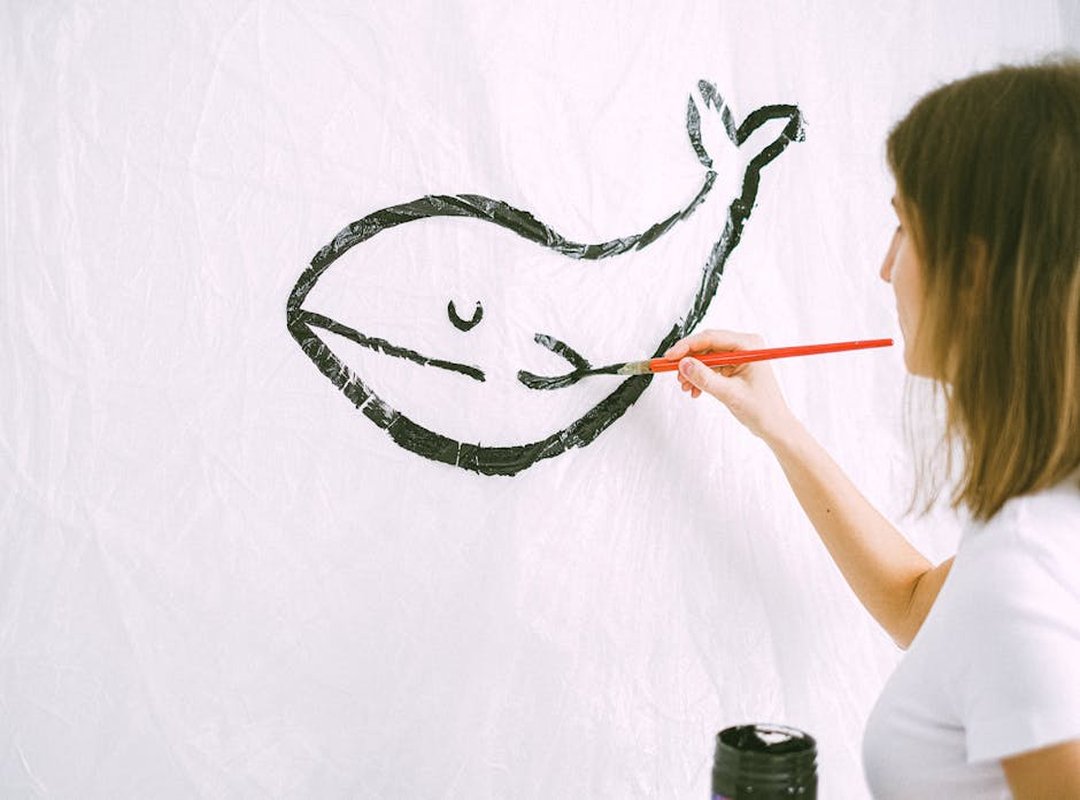
Drawing can be a real challenge, especially when you’re just starting out. You might feel overwhelmed by all the techniques and tools out there. But here’s the thing: it doesn’t have to be that way.
This guide is for anyone who wants to improve their drawing skills. Whether you’re a beginner or an intermediate artist, you’ll find practical, step-by-step guidance here.
Why should you trust this? It’s written by experienced artists who have helped many others master drawing. We know what works and what doesn’t.
You might be wondering, can I really get better at drawing? The answer is a resounding yes. With the right guidance and a bit of practice, you can enhance your abilities and gain the confidence you need.
Let’s dive in and make your artistic journey a lot easier. easy pagtulong sa kapwa drawing is exactly what you need.
Understanding the Basics of Drawing
Essential Tools:
First things first, you need the right tools. Pencils, erasers, and paper are your basics. Get a variety of pencils—2B, 4B, and 6B are great for different shading effects.
Erasers? Go for a kneaded eraser; it’s super versatile. And don’t skimp on the paper.
A good quality sketchbook can make a huge difference.
Types of Drawing:
Now, let’s talk about the types of drawing. Sketching is quick and loose, perfect for getting ideas down fast. Line drawing is all about clean, precise lines.
Shading adds depth and dimension to your work.
Try them all out. See which one feels most natural to you. Each type has its own charm and can help you develop different skills.
Setting Up Your Workspace:
Your workspace matters, and find a quiet, well-lit area. Natural light is best, but if that’s not possible, get a good desk lamp.
Keep your tools within easy reach. Clutter can be distracting, so keep it minimal. A small tray or cup for your pencils and erasers works well.
Pro Tip: Easy pagtulong sa kapwa drawing, and share your space with others who draw. It can be motivating and you can learn from each other.
Remember, the key is to make it comfortable and inviting. You’ll spend a lot of time here, so make it a place you enjoy.
Mastering Basic Techniques
Line drawing is the foundation of any good sketch. It’s all about getting those clean, consistent lines and shapes. (And trust me, it makes a huge difference in the overall look of your work.)
- How to grip your pencil for better control
- Tips for steady hand movements
- Exercises to practice straight and curved lines
Shading and hatching add depth and texture to your drawings. These techniques can transform a flat image into something that looks three-dimensional.
- Different types of hatching (cross-hatching, stippling)
- How to use shading to create light and shadow
- Easy pagtulong sa kapwa drawing
Proportions and perspective are crucial for making your drawings look realistic. Getting these right means your subjects will look balanced and in the correct scale.
- Basic principles of proportion
- Understanding one-point and two-point perspective
- Simple exercises to practice perspective
Mastering these basic techniques will give you the skills to create more detailed and professional-looking artwork. You’ll be able to bring your ideas to life with more confidence and precision.
Practicing with Simple Exercises
Drawing from life is one of the best ways to improve your skills. It’s all about observing and capturing the details of everyday objects and scenes.
Using reference images can also be incredibly helpful. Just make sure you’re not just copying; use them to understand light, shadow, and perspective.
Daily practice is key, and set achievable goals and stick to them. Even 15 minutes a day can make a big difference.
Consistency is what builds muscle memory and helps you see progress. Don’t get discouraged if you don’t see results right away.
Easy pagtulong sa kapwa drawing can be a great way to start. It’s simple, accessible, and helps you build a solid foundation.
Remember, the goal is to enjoy the process and learn. Don’t stress too much about perfection.
By the way, if you’re into more advanced stuff like AI, there are some great resources out there. For example, best practices for deploying machine learning models can give you a lot of insights.
Keep it fun and keep practicing, and you’ll get there!
Advanced Techniques for Intermediate Artists
Color theory is a game changer. Understanding how colors interact can elevate your drawings from good to great. It’s not just about picking pretty colors; it’s about using them to create mood and depth.
For example, warm colors like red and orange can make a scene feel more vibrant and energetic, while cool colors like blue and green can add a sense of calm and tranquility.
Composition is another key skill. Balanced and visually appealing compositions draw the viewer in and keep them engaged. Think about the rule of thirds.
Placing your subject off-center can make your drawing more dynamic and interesting. (It’s a simple trick, but it works wonders.)
Adding details is where many artists get stuck. Intricate details can make your drawings more realistic and lifelike. Start with the basics: shadows, highlights, and textures.
These small touches can transform a flat image into something that pops off the page.
Easy pagtulong sa kapwa drawing, and share your knowledge and help others improve. It’s a great way to build a community and learn from each other.
Remember, practice makes perfect. Don’t be afraid to experiment and try new things. The more you draw, the better you’ll get.
And who knows? You might even discover some techniques that work better for you than the ones I’ve shared here.
Common Mistakes and How to Avoid Them
Overworking the drawing is a trap I’ve fallen into more times than I can count. You think, just one more line, just one more detail. Before you know it, the whole thing looks overdone.
Know when to stop. It’s a skill that takes time to develop. Trust your gut.
If something feels off, step back and take a break.
Ignoring proportions is another biggie. You get so focused on the details that the overall structure goes out of whack.
- Measure and compare. Use your pencil or a ruler to check the relationships between different parts.
- Step back often. Sometimes you need distance to see if things are lining up.
Lack of patience is a killer. We all want to be amazing right away. But improving at drawing takes time.
Persistence is key. Keep practicing, even when it feels like you’re not making progress.
Easy pagtulong sa kapwa drawing. Share your work with others, get feedback, and keep pushing forward.
Embrace Your Artistic Journey
This guide covers essential aspects of drawing, from basic techniques to practice and advanced tips. With consistent practice and the right techniques, you can significantly improve your drawing skills.
easy pagtulong sa kapwa drawing is a wonderful way to support and learn from one another. Embrace your artistic journey and enjoy the process of learning and growing as an artist.
 There is a specific skill involved in explaining something clearly — one that is completely separate from actually knowing the subject. Christopher Braggshover has both. They has spent years working with innovation alerts in a hands-on capacity, and an equal amount of time figuring out how to translate that experience into writing that people with different backgrounds can actually absorb and use.
Christopher tends to approach complex subjects — Innovation Alerts, Essential Tech Strategies, Device Troubleshooting Solutions being good examples — by starting with what the reader already knows, then building outward from there rather than dropping them in the deep end. It sounds like a small thing. In practice it makes a significant difference in whether someone finishes the article or abandons it halfway through. They is also good at knowing when to stop — a surprisingly underrated skill. Some writers bury useful information under so many caveats and qualifications that the point disappears. Christopher knows where the point is and gets there without too many detours.
The practical effect of all this is that people who read Christopher's work tend to come away actually capable of doing something with it. Not just vaguely informed — actually capable. For a writer working in innovation alerts, that is probably the best possible outcome, and it's the standard Christopher holds they's own work to.
There is a specific skill involved in explaining something clearly — one that is completely separate from actually knowing the subject. Christopher Braggshover has both. They has spent years working with innovation alerts in a hands-on capacity, and an equal amount of time figuring out how to translate that experience into writing that people with different backgrounds can actually absorb and use.
Christopher tends to approach complex subjects — Innovation Alerts, Essential Tech Strategies, Device Troubleshooting Solutions being good examples — by starting with what the reader already knows, then building outward from there rather than dropping them in the deep end. It sounds like a small thing. In practice it makes a significant difference in whether someone finishes the article or abandons it halfway through. They is also good at knowing when to stop — a surprisingly underrated skill. Some writers bury useful information under so many caveats and qualifications that the point disappears. Christopher knows where the point is and gets there without too many detours.
The practical effect of all this is that people who read Christopher's work tend to come away actually capable of doing something with it. Not just vaguely informed — actually capable. For a writer working in innovation alerts, that is probably the best possible outcome, and it's the standard Christopher holds they's own work to.