

Ever tried connecting multiple Bluetooth devices only to end up frustrated? I get it. You’re juggling gadgets, fighting audio lag, or wrestling with pairing issues.
It’s a mess. This guide aims to clear up the chaos by diving into all the modern wireless connection options. From basic Bluetooth pairing to those fancy high-fidelity protocols, we’ll cover it all.
I’ve spent years analyzing tech strategies and simplifying them for folks like us who just want things to work. By the end, you’ll know which Bluetooth connectivity solutions to use in any situation. And you’ll finally feel like you’re getting the most out of your devices.
Trust me, it’s gonna make your tech life a whole lot easier. Ready to dive in?
Mastering Bluetooth: The Digital Handshake
Bluetooth pairing is that simple yet key “digital handshake” between devices. Let’s be honest, most of us have struggled with this at least once. You know, you’re standing there, waving your phone around trying to catch a signal like it’s magic.
Here’s how it actually works: make your device discoverable, usually by holding a button on your headphones. Then, select your device on your phone and confirm the connection. Easy, right?
But here’s the thing: not all Bluetooth is created equal. You’ve got versions like 4.2, 5.0, and 5.2. What’s the difference?
Newer versions mean better range and speed (no need to chase your phone around the house). They’re like upgrading from a clunky old TV to a sleek flat screen.
Now, let’s talk about problems. You’ve done everything right, but your devices won’t connect. Annoying, I know.
Try forgetting the device in your Bluetooth settings and re-pairing. Check for interference from other signals or make sure your devices are close enough. Or maybe you just need some Diy Solutions Slow Internet Connections.
It’s a good resource when things get sticky.
Bluetooth connectivity solutions aren’t rocket science, but they can feel like it. Stick to the basics, and you’ll be streaming your favorite tunes in no time.
Beyond a Single Link: Mastering Multi-Device Connectivity
Ever tried juggling multiple devices at once? It’s a modern headache. The idea of connecting one device to multiple sources is not just a convenience.
It’s a necessity in our tech-driven lives. Why should we keep fumbling between gadgets when a single connection could solve it all?
Bluetooth Multi-Point Pairing
to Bluetooth Multi-Point Pairing. It’s a game-changer. Imagine connecting your headset to two devices simultaneously.
Like having your laptop for video calls while your phone waits for incoming calls. This setup is perfect for remote workers, commuters, and anyone who loves multitasking (and who doesn’t?). It saves time and reduces the hassle of switching connections constantly.
This is where connectivity solutions really shine.
With multi-point, you’re not just plugged into one world. You’re straddling two. It’s like having a foot in two rooms at the same time.
You hear your boss on a call while keeping an ear open for your favorite podcast. Not bad, right?
Dual Audio
Now, consider Dual Audio. It’s the opposite. Here, you connect two audio devices to one source.
Think of watching a movie on a tablet with a friend. Each has their headphones, yet you’re sharing the experience. Technologies like Samsung’s Dual Audio and Bluetooth 5.0’s broadcast capabilities make this possible.
These aren’t just fancy features. They’re practical, real-world solutions to everyday problems.
Bluetooth connectivity solutions are more than a tech buzzword. They offer real benefits, making our lives easier. We need them to keep up with our multi-device lifestyles.
Whether you’re a tech geek or just someone tired of tangled wires, these solutions are worth exploring. Forget the hassle of disconnecting and reconnecting devices. Embrace the future with open arms (and) open connections.
Why Your Bluetooth Audio Sometimes Sounds Awful
Ever wondered why your Bluetooth audio sounds like it’s coming through a tin can? It’s frustrating. Let me tell you, the culprit is often the codec.
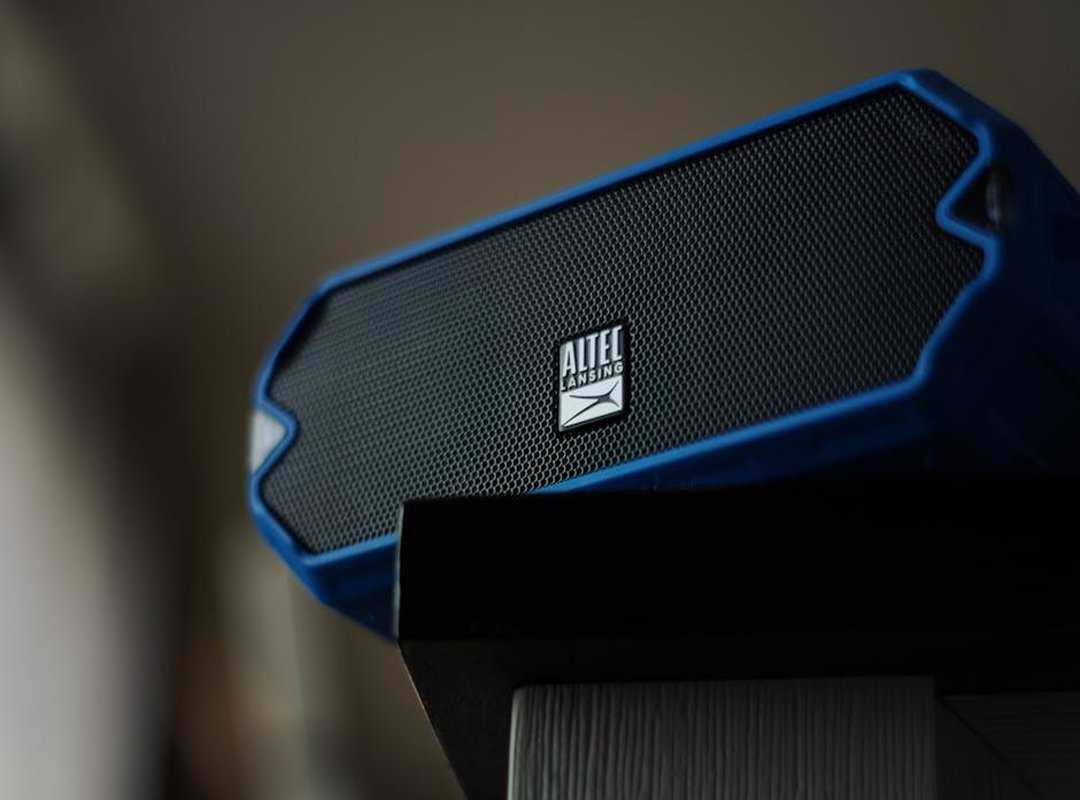
Codecs are the unsung heroes or villains of Bluetooth connectivity. They compress and decompress digital audio for smooth wireless transmission. Think of them as traffic cops for your digital sound.
They decide who gets to go where and how fast, directly impacting sound quality and latency.
Breaking Down the Battle of Codecs
to some common codecs. SBC is the universal codec. It’s mandatory, but it’s the bare minimum.
Good enough for casual listening, sure, but nothing to write home about. Then there’s AAC. Apple’s favored codec offers better sound over SBC.
Your iPhone will thank you for using it.
Now, if you’re an Android or Windows fan, you’ve likely encountered aptX or aptX HD. These codecs are perfect for gaming or watching videos due to their lower latency. They won’t keep you waiting.
Finally, we have LDAC. This is Sony’s pride and joy, offering the best possible audio quality over Bluetooth. If you want high-res sound, LDAC is your guy.
So, how do you know which codec your device uses? Good question. On Android, you can check under Developer Options.
It’s a geek’s paradise there. When buying new headphones or speakers, look for codec support to match your devices.
Choosing the right codec is a key part of Bluetooth connectivity solutions. For more tips to resolve common smartphone issues, my advice is to always check compatibility. Let’s face it.
You don’t want your high-end headphones paired with low-end codecs. It’s like buying a Ferrari and putting lawnmower tires on it.
The Right Tool for the Job: NFC and Wi-Fi Direct
Bluetooth isn’t the only game in town. Sometimes, it’s not even the best option. When you’re diving into Bluetooth connectivity solutions, it’s key to know your alternatives.
NFC for Instant Pairing
Ever heard of NFC? Near Field Communication is like that friend who just gets you. It’s all about the tap-to-connect magic.
Imagine tapping your headphones to your phone and bam. Paired! No fiddling with menus or waiting for devices to find each other.
It’s smooth and quick, perfect for those “get me connected now” moments. But let’s be honest, NFC’s strength is in its simplicity, not in heavy lifting.
Wi-Fi Direct for High-Speed Transfers
Now, if we’re talking about moving big stuff, Wi-Fi Direct is your go-to. Think of it as Bluetooth’s big brother with much more bandwidth. Need to send a whole photo album or a video without a router in sight?
Wi-Fi Direct flexes its muscles. It’s the hero in scenarios where size matters and speed is everything. Sure, it’s not as instant as NFC, but when it comes to raw power, it’s unmatched.
So, when do you use what? Bluetooth is your everyday pal, reliable for audio and peripherals. If you want quick setup, NFC is your ally.
But for those heavy data days, Wi-Fi Direct takes the crown. Each has its place. Choosing the right one makes all the difference in your wireless world.
Why settle when you can pick the right tool for the job?
Master Your Wireless World Today
Navigating wireless connections can feel like a tangled mess, right? But now you’re equipped to handle it. Understanding standard pairing, multi-point connections, audio codecs, and technologies like NFC gives you the upper hand.
You’re not just picking any connection; you’re choosing with purpose. This knowledge is power.
Bluetooth connectivity solutions are within your grasp. Want optimal performance and convenience? Check your device settings now. Explore further tech takeaways. It’s your move to take control.
Ready to dive deeper? Visit excntech.com for more advanced tech guides. Don’t let confusion hold you back.
Help your digital life today.
 Fendric Eldwain has opinions about insider knowledge. Informed ones, backed by real experience — but opinions nonetheless, and they doesn't try to disguise them as neutral observation. They thinks a lot of what gets written about Insider Knowledge, Innovation Alerts, EXCN Advanced Computing Protocols is either too cautious to be useful or too confident to be credible, and they's work tends to sit deliberately in the space between those two failure modes.
Reading Fendric's pieces, you get the sense of someone who has thought about this stuff seriously and arrived at actual conclusions — not just collected a range of perspectives and declined to pick one. That can be uncomfortable when they lands on something you disagree with. It's also why the writing is worth engaging with. Fendric isn't interested in telling people what they want to hear. They is interested in telling them what they actually thinks, with enough reasoning behind it that you can push back if you want to. That kind of intellectual honesty is rarer than it should be.
What Fendric is best at is the moment when a familiar topic reveals something unexpected — when the conventional wisdom turns out to be slightly off, or when a small shift in framing changes everything. They finds those moments consistently, which is why they's work tends to generate real discussion rather than just passive agreement.
Fendric Eldwain has opinions about insider knowledge. Informed ones, backed by real experience — but opinions nonetheless, and they doesn't try to disguise them as neutral observation. They thinks a lot of what gets written about Insider Knowledge, Innovation Alerts, EXCN Advanced Computing Protocols is either too cautious to be useful or too confident to be credible, and they's work tends to sit deliberately in the space between those two failure modes.
Reading Fendric's pieces, you get the sense of someone who has thought about this stuff seriously and arrived at actual conclusions — not just collected a range of perspectives and declined to pick one. That can be uncomfortable when they lands on something you disagree with. It's also why the writing is worth engaging with. Fendric isn't interested in telling people what they want to hear. They is interested in telling them what they actually thinks, with enough reasoning behind it that you can push back if you want to. That kind of intellectual honesty is rarer than it should be.
What Fendric is best at is the moment when a familiar topic reveals something unexpected — when the conventional wisdom turns out to be slightly off, or when a small shift in framing changes everything. They finds those moments consistently, which is why they's work tends to generate real discussion rather than just passive agreement.