
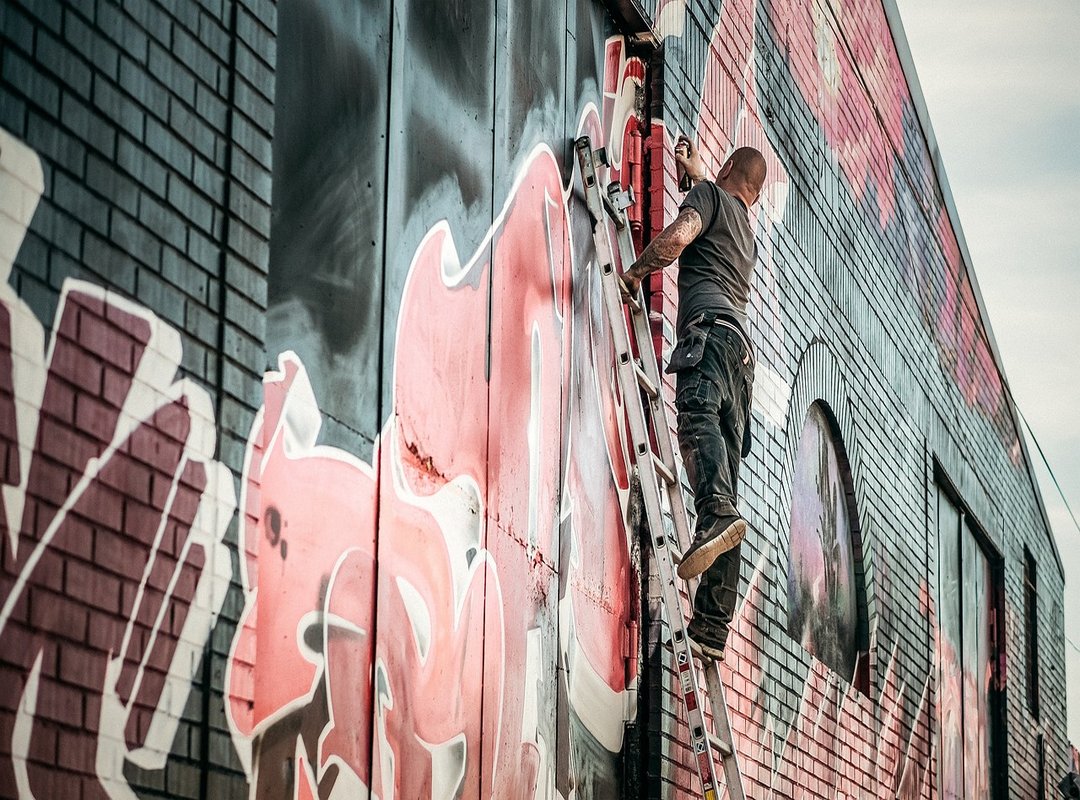
I love chidos graffitis animados. It’s a form of art that’s both innovative and captivating. You might be wondering, what exactly is it?
Well, let’s dive in.
Animated graffiti combines the raw energy of street art with the dynamic movement of animation. It’s not just about painting walls; it’s about bringing them to life.
You might be fascinated by it but unsure how to create it or where to find the best examples. That’s why I’m here. I’ve got a deep understanding of this art form and its evolution.
This article will give you clear definitions, step-by-step instructions, and show you some amazing examples. By the end, you’ll not only appreciate cool animated graffiti but also know how to create your own.
What Is Animated Graffiti?
Animated graffiti is a modern twist on traditional static graffiti. Instead of just paint, it uses digital projections and animations to bring walls and urban spaces to life.
Definition
Traditional graffiti is all about spray paint and stencils. It’s permanent and static. But animated graffiti?
That’s a whole different ball game. It uses digital technology to create moving images and animations. These can be projected onto buildings, walls, or even the ground.
The result is a dynamic, ever-changing piece of art that can tell a story or simply add a vibrant touch to an urban setting.
History
The origins of animated graffiti can be traced back to the early 2000s. Artists started experimenting with projectors and simple animations. Over time, as technology advanced, so did the complexity and creativity of these projects.
Key milestones include the rise of projection mapping, which allows for more intricate and site-specific animations. Influential artists like BLU and OMA have pushed the boundaries, creating large-scale, interactive installations that captivate audiences.
Cultural Impact
Animated graffiti has become a significant part of modern urban culture. It bridges the gap between street art and digital media, offering a new way to engage with public spaces. This form of art influences not just other graffiti artists but also filmmakers, advertisers, and even architects.
It adds a layer of interactivity and movement to what was once a static medium.
Chidos graffitis animados are a prime example of how this art form can transform a city’s vibe. They make the urban landscape more dynamic and engaging, drawing in both locals and tourists.
In short, while traditional graffiti is about making a statement with paint, animated graffiti is about bringing those statements to life through motion and technology.
Types of Animated Graffiti
Projection mapping is a cool way to turn static surfaces into dynamic, moving canvases. It’s been around for a while, but back in 2019, it really started to gain traction in the art world. Artists use high-powered projectors to cast animations onto buildings, walls, and even sculptures, creating a mesmerizing visual experience.
Digital art has also transformed the graffiti scene. With the rise of digital tools and software, artists can now create chidos graffitis animados that are more intricate and vibrant than ever before. These digital masterpieces can be displayed on screens or projected onto surfaces, blending the physical and digital worlds seamlessly.
- Projection mapping creates dynamic, moving images on surfaces.
- Digital art uses software to create and display animated graffiti.
- Augmented Reality (AR) enhances the viewer’s experience by adding virtual elements.
Augmented Reality (AR) takes animated graffiti to the next level. By using AR, artists can add virtual elements to their work, making the experience interactive and engaging. Viewers can use their smartphones or tablets to see additional layers of animation, bringing the art to life in a whole new way.
How to Create Animated Graffiti
Creating chidos graffitis animados can seem daunting, but with the right tools and a step-by-step approach, it’s more accessible than you might think.
Tools and Software
First, let’s talk about the essential tools. You’ll need Adobe After Effects for the animation. It’s powerful and user-friendly, even for beginners.
Procreate is great for designing your initial sketches and artwork. If you’re planning to project your graffiti, you’ll also need projection mapping equipment. This helps align your digital art with the physical surface.
Step-by-Step Guide
Start with a concept. What do you want to express? Sketch your idea in Procreate.
Keep it simple at first. Import your sketch into After Effects. Here, you can add motion and effects.
Animate one element at a time. Test your animation on a small scale before moving to a larger surface. Finally, use your projection mapping equipment to display your animated graffiti. Excntech
Tips and Tricks
Choose the right surface. Smooth, flat surfaces work best. Lighting is key.
Make sure your projection area is well-lit but not too bright. Experiment with different animation techniques. Sometimes, a subtle movement can be more impactful than an over-the-top effect.
With these steps and tips, you’ll be creating chidos graffitis animados in no time.
Examples of Cool Animated Graffiti
Notable Artists: When it comes to chidos graffitis animados, some artists stand out. Names like INSA and OBEY have pushed the boundaries with their innovative work. INSA’s GIF-iti, for example, brings static murals to life through a series of images that loop seamlessly.
Case Studies: Let’s dive into a few case studies. INSA’s “GIF-iti” project in Brazil is a prime example. The creation process involved painting multiple layers of a mural, each slightly different, and then capturing them as a looping GIF.
It was a hit, blending traditional graffiti with digital art.
Visual Examples: Seeing is believing. Imagine a wall that seems to move and change right before your eyes. That’s the magic of animated graffiti.
It transforms urban spaces into dynamic, interactive experiences.
The benefits? For one, it adds a new layer of creativity and engagement to public art. It can also draw more attention and foot traffic to areas, boosting local businesses.
Plus, it’s just plain cool to see art come alive.
FAQs About Animated Graffiti
Q: What is the difference between animated graffiti and traditional graffiti?
A: Traditional graffiti is static, usually painted or drawn on walls. Animated graffiti, on the other hand, uses digital and projection technologies to create moving images.
It’s like bringing the art to life, making it more dynamic and engaging.
Q: Is animated graffiti legal?
A: The legality of chidos graffitis animados depends on the location and whether the artist has permission. Always check local laws and regulations.
Some places might have specific rules about projecting images in public spaces.
Q: How can I get started with animated graffiti?
A: Start by learning basic animation and digital art skills. Then, experiment with different tools and techniques.
Here are a few steps: – Take online courses in animation. Digital art. – Practice with software like Adobe Animate or Procreate. – Find a suitable wall or surface for your projections. – Test your animations in a controlled environment before going public.
By comparing these options, you can see that traditional graffiti is more permanent. Often requires physical materials, while animated graffiti offers a temporary, high-tech alternative. Both have their unique appeal and challenges.
Embracing the Art of Animated Graffiti
Animated graffiti combines traditional street art with digital animation, creating a dynamic and engaging visual experience. This form of art includes various types, from simple 2D animations to complex 3D projections. The creation process often involves designing static graffiti, then using software to animate it, adding movement and life.
chidos graffitis animados is a term that captures the cool and innovative nature of this art form. It encourages artists to push boundaries and experiment with new techniques.
Animated graffiti not only enhances urban landscapes but also serves as a powerful medium for storytelling and cultural expression. It can transform public spaces into interactive and immersive environments.
Readers are encouraged to explore and experiment with animated graffiti, embracing its creative and cultural value.
This vibrant and evolving art form offers endless possibilities for creativity and self-expression.
 There is a specific skill involved in explaining something clearly — one that is completely separate from actually knowing the subject. Christopher Braggshover has both. They has spent years working with innovation alerts in a hands-on capacity, and an equal amount of time figuring out how to translate that experience into writing that people with different backgrounds can actually absorb and use.
Christopher tends to approach complex subjects — Innovation Alerts, Essential Tech Strategies, Device Troubleshooting Solutions being good examples — by starting with what the reader already knows, then building outward from there rather than dropping them in the deep end. It sounds like a small thing. In practice it makes a significant difference in whether someone finishes the article or abandons it halfway through. They is also good at knowing when to stop — a surprisingly underrated skill. Some writers bury useful information under so many caveats and qualifications that the point disappears. Christopher knows where the point is and gets there without too many detours.
The practical effect of all this is that people who read Christopher's work tend to come away actually capable of doing something with it. Not just vaguely informed — actually capable. For a writer working in innovation alerts, that is probably the best possible outcome, and it's the standard Christopher holds they's own work to.
There is a specific skill involved in explaining something clearly — one that is completely separate from actually knowing the subject. Christopher Braggshover has both. They has spent years working with innovation alerts in a hands-on capacity, and an equal amount of time figuring out how to translate that experience into writing that people with different backgrounds can actually absorb and use.
Christopher tends to approach complex subjects — Innovation Alerts, Essential Tech Strategies, Device Troubleshooting Solutions being good examples — by starting with what the reader already knows, then building outward from there rather than dropping them in the deep end. It sounds like a small thing. In practice it makes a significant difference in whether someone finishes the article or abandons it halfway through. They is also good at knowing when to stop — a surprisingly underrated skill. Some writers bury useful information under so many caveats and qualifications that the point disappears. Christopher knows where the point is and gets there without too many detours.
The practical effect of all this is that people who read Christopher's work tend to come away actually capable of doing something with it. Not just vaguely informed — actually capable. For a writer working in innovation alerts, that is probably the best possible outcome, and it's the standard Christopher holds they's own work to.