
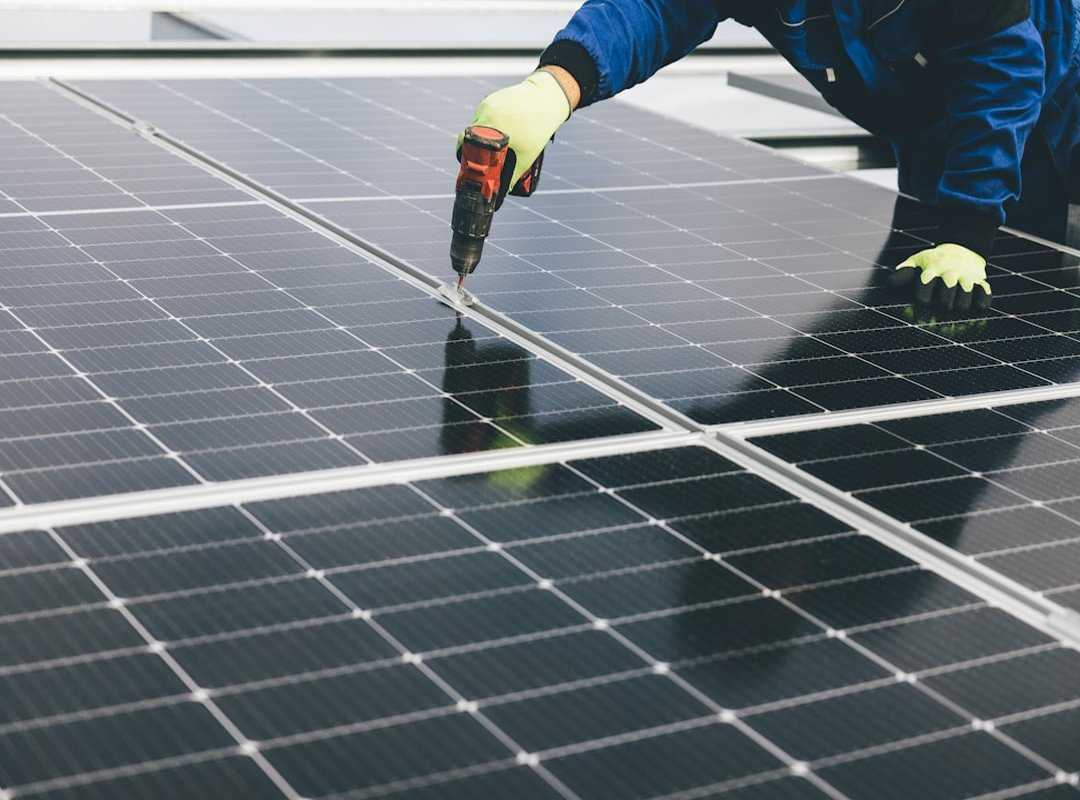
The buzz around green energy is usually about solar panels and wind turbines. But let’s be real: the real magic lies in the less obvious stuff. The breakthroughs that don’t just improve what we have but shake things up entirely.
It can be tough to tell what’s truly a game-changer. I come in. I’ve got a deep dive into advanced computing and emerging tech trends, helping to filter out the noise from the real renewable energy tech breakthroughs.
Why should you trust this? I’ve sifted through the fluff to bring you a concise, forward-thinking guide. No more vague promises or tech jargon.
This is about understanding the ‘how’ and ‘why’ behind these innovations. Get ready to uncover what’s driving the next wave of sustainable energy.
AI: The Brain Behind the Energy Revolution
Forget hulking generators. The real breakthrough in renewable energy tech breakthroughs is the software managing them. AI is the brain behind this new energy system.
It’s not just about predicting maintenance needs. It’s about transforming how we think of energy itself.
Take predictive maintenance. Machine learning algorithms dive into turbine sensor data like a detective in a crime novel. They predict failures weeks before they happen.
Imagine avoiding costly downtimes and boosting efficiency. It’s like knowing your car will break down before it even sputters (and who wouldn’t want that?).
Then there’s the AI-powered “smart grid.” It uses real-time data to balance energy supply with demand. Solar and wind power are notorious for being unpredictable. But AI cuts through the chaos.
It prevents blackouts and reduces waste. It’s like having a personal assistant for the grid, always optimizing and anticipating needs.
And let’s talk about advanced computing in materials science. AI accelerates discovering new materials for solar cells and batteries. What used to take years now takes months.
It’s like the difference between dial-up and fiber-optic internet. Fast, and game-changing.
But you might wonder, how does this connect to wearable tech? Well, the latest wearable tech innovations 2024 also rely on these advancements. Just as AI powers the grid, it transforms how we interact with tech daily.
The future’s bright, not just for energy but for every tech sector.
Breaking the Intermittency Barrier: Energy Storage Revolution
Renewable energy is our future. But let’s face it: the sun isn’t always shining, and the wind doesn’t always blow. That’s the big headache with renewables.
Intermittency. We need power, and we need it around the clock. So, how do we solve this?
Enter next-generation energy storage.
Forget the standard lithium-ion batteries. They’re just the start. Solid-state batteries are making waves with higher energy density, meaning more power packed into smaller spaces.
Plus, they’re safer. No flammable liquids here. They also last longer.
Imagine never having to worry about battery replacements for years. This isn’t just a tech upgrade; it’s a shift in how we think about storing power.
But maybe you’re asking (what) about powering entire towns? grid-scale storage steps in. Vanadium Flow Batteries are game-changers. They’re uniquely suited for long-duration storage, capable of keeping a town’s lights on for hours, not just minutes.
They might not be household names yet, but they should be. They’re that good.
And let’s not forget the new mechanical storage solutions, like gravity-based systems. Lifting and lowering massive blocks to store energy is a concept that’s both simple and brilliant. It offers a durable, long-term alternative to chemical batteries.
Ready to dive deeper into renewable energy tech breakthroughs? The innovations aren’t stopping. They’re just beginning to redefine our energy space, making the renewable dream a reliable reality.
Are you excited about where this tech will lead next? You should be.
The New Frontiers of Energy Generation: Breakthroughs You Can’t
Have you heard of Perovskite solar cells? They’re a massive step in renewable energy tech breakthroughs. Unlike traditional silicon cells, these are flexible and potentially more fast.
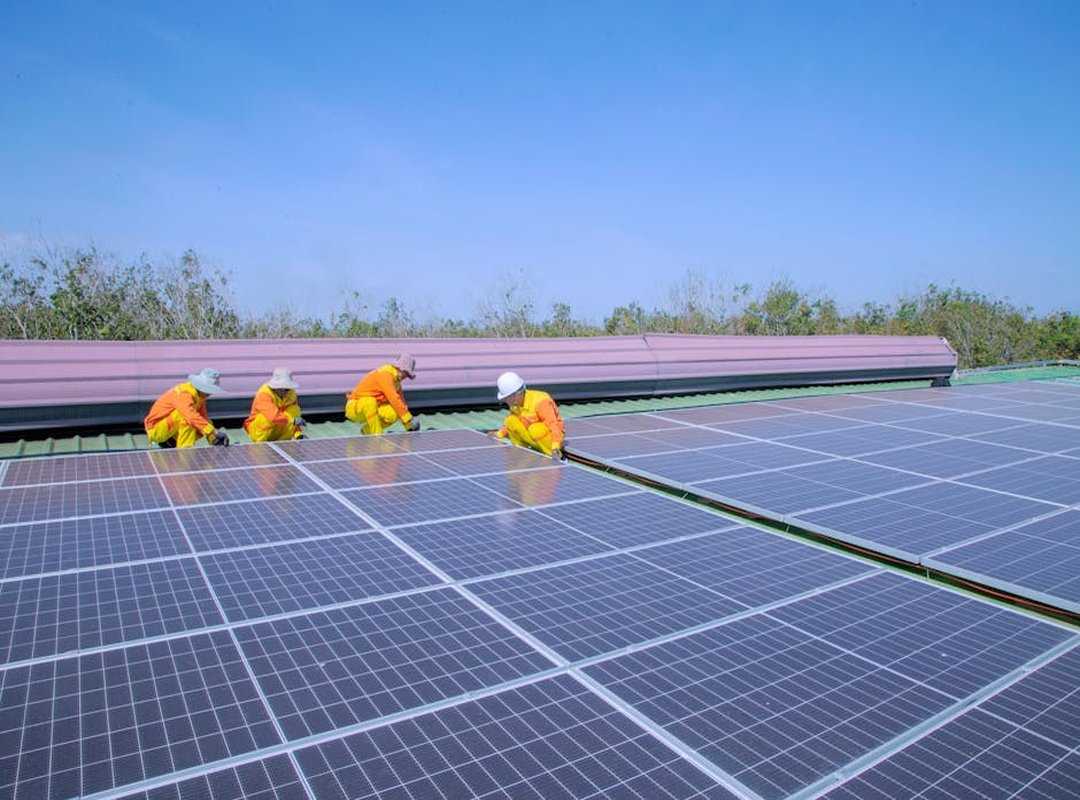
And get this: they could be produced at a lower cost. Imagine solar panels that are transparent or can wrap around surfaces. This isn’t sci-fi.
It’s happening.
But let’s not stop there. Enhanced Geothermal Systems (EGS) are another exciting development. Traditional geothermal energy relies on specific locations.
EGS? It uses new drilling techniques to create reservoirs anywhere. This means we can tap into a carbon-free energy source almost anywhere on earth.
It’s like opening a never-ending energy tap. Why isn’t everyone talking about this?
And then there’s Green Hydrogen. I know, hydrogen isn’t new. But producing it economically has been a challenge.
Enter next-generation electrolyzers. They’re powered by cheap renewables, making hydrogen production more viable. We’re talking about hydrogen that’s perfect for transport, industry, and energy storage.
Picture buses running on hydrogen produced from wind or solar power. we’re headed.
These breakthroughs aren’t isolated. They fit into a larger mix of technological advancements. Speaking of which, Advancements Quantum Computing Applications are reshaping how we approach these energy solutions.
It’s a thrilling time in energy tech.
So, what’s the takeaway? These innovations are more than buzzwords; they’re the future. They’re not just changing how we generate energy but how we think about it.
The potential is enormous. Are we ready to embrace it?
Decentralization: Empowering the Energy ‘Prosumer’
The shift from a centralized grid to a decentralized network isn’t just a trend. It’s a bold move that’s reshaping how we think about energy. So what’s a “prosumer”?
It’s someone who both produces and consumes energy. Think about it: you could be generating power at home and feeding it back into the grid instead of just taking from it.
Digital technologies like IoT and blockchain are making this possible. They’re not just buzzwords anymore. IoT connects devices, while blockchain ensures secure transactions.
Imagine a peer-to-peer (P2P) energy market. Your solar panels could sell excess energy directly to your neighbor. No middleman, no hassle.
This isn’t science fiction. It’s happening now.
Vehicle-to-Grid (V2G) technology is another game-changer. Ever thought about the batteries in electric vehicles as more than just power sources for cars? They’re a massive, distributed energy storage system.
During peak demand, these batteries can support and stabilize the grid. It’s like having a backup generator, but on a massive scale.
Mistakes? Sure, there have been plenty. Early adopters faced tech hiccups and regulatory hurdles.
But these challenges taught us resilience and adaptability. Now, the energy space is evolving faster than ever.
This shift isn’t just about technology. It’s about empowerment. People and communities now have control over their energy.
Renewable energy tech breakthroughs aren’t just buzzwords; they’re transforming our world into a more resilient, fast, and democratic place. Are you ready to be a prosumer?
Powering the Future: Your Next Step
Clean energy is tricky, right? It’s a maze out there. But we’ve uncovered that the future isn’t pinned to one magic bullet.
It’s about the solid mix of artificial intelligence, material science, and decentralized networks. These renewable energy tech breakthroughs are making headway in tackling the biggies: reliability, cost, and accessibility. Now, here’s your move.
Stay sharp. Keep an eye on these tech trends. They’re not just fixing our environmental woes.
They’re laying the groundwork for the economic and strategic opportunities of tomorrow. Ready to dive deeper? Explore more at excntech.com.
We’re the go-to for innovation alerts and important tech strategies. Don’t let the wave pass you by. Get informed now.
 Fendric Eldwain has opinions about insider knowledge. Informed ones, backed by real experience — but opinions nonetheless, and they doesn't try to disguise them as neutral observation. They thinks a lot of what gets written about Insider Knowledge, Innovation Alerts, EXCN Advanced Computing Protocols is either too cautious to be useful or too confident to be credible, and they's work tends to sit deliberately in the space between those two failure modes.
Reading Fendric's pieces, you get the sense of someone who has thought about this stuff seriously and arrived at actual conclusions — not just collected a range of perspectives and declined to pick one. That can be uncomfortable when they lands on something you disagree with. It's also why the writing is worth engaging with. Fendric isn't interested in telling people what they want to hear. They is interested in telling them what they actually thinks, with enough reasoning behind it that you can push back if you want to. That kind of intellectual honesty is rarer than it should be.
What Fendric is best at is the moment when a familiar topic reveals something unexpected — when the conventional wisdom turns out to be slightly off, or when a small shift in framing changes everything. They finds those moments consistently, which is why they's work tends to generate real discussion rather than just passive agreement.
Fendric Eldwain has opinions about insider knowledge. Informed ones, backed by real experience — but opinions nonetheless, and they doesn't try to disguise them as neutral observation. They thinks a lot of what gets written about Insider Knowledge, Innovation Alerts, EXCN Advanced Computing Protocols is either too cautious to be useful or too confident to be credible, and they's work tends to sit deliberately in the space between those two failure modes.
Reading Fendric's pieces, you get the sense of someone who has thought about this stuff seriously and arrived at actual conclusions — not just collected a range of perspectives and declined to pick one. That can be uncomfortable when they lands on something you disagree with. It's also why the writing is worth engaging with. Fendric isn't interested in telling people what they want to hear. They is interested in telling them what they actually thinks, with enough reasoning behind it that you can push back if you want to. That kind of intellectual honesty is rarer than it should be.
What Fendric is best at is the moment when a familiar topic reveals something unexpected — when the conventional wisdom turns out to be slightly off, or when a small shift in framing changes everything. They finds those moments consistently, which is why they's work tends to generate real discussion rather than just passive agreement.